
You don’t have to know the right words to find the right information.
Just type what your doctor told you…
68 Subtypes • 55 Genes
Currently Indexed
Where to start?
What Is CMT?
Start here if:
- New diagnosis
- First exposure
- Family member with CMT
- “I don’t know what this even is”
- Just looking for basic info about CMT
The Database
Start here if:
- You have a gene but no subtype
- Your diagnosis is weird
- You need subtype symptoms
- You want to dig deeper
- You want details, not bloat
Genetic Testing
Start here if:
- Genetics came up
- Testing was mentioned
- You’re not sure why testing matters
- You want the bigger picture
- You need info to bring to your doctor
Common CMT Confusions
- I was told I have PMP22. What is this?
- So, CMT2A1, CMT2A2, CMT2A2A = CMT2A?
- Is HNPP really a CMT subtype?
- What is CMT1F/2E?
- Can CMT affect breathing?
- Is CMT really muscular dystrophy?
Some questions don’t resolve cleanly.
The Dorsal Root
Long-form discussions for the questions search can’t answer yet.
When you need:
- Context, not keywords
- Deeper dives without the bloat
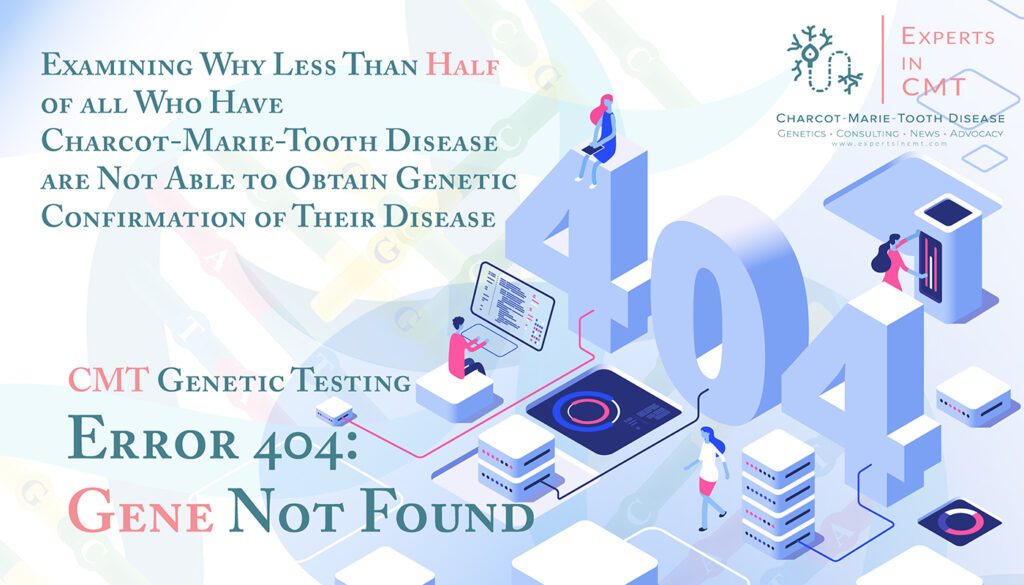
CMT genetic testing often fails to identify the cause of the disease, even when comprehensive panels are used. Here, we discuss why this happens, what genetic tests can and cannot do, and why a negative result still matters.

The idea that CMT skips a generation is a misconception rooted in complex inheritance patterns. This article explains how dominant, recessive, X-Linked, and de novo mutations interact, and why CMT doesn’t skip a generation.

CMT is often described as a single disease, but genetically it is anything but. From autosomal and X-Linked inheritance to de novo and mitochondrial mutations, this piece explains how CMT begins, how it’s passed on, and why family history doesn’t always tell the full story.
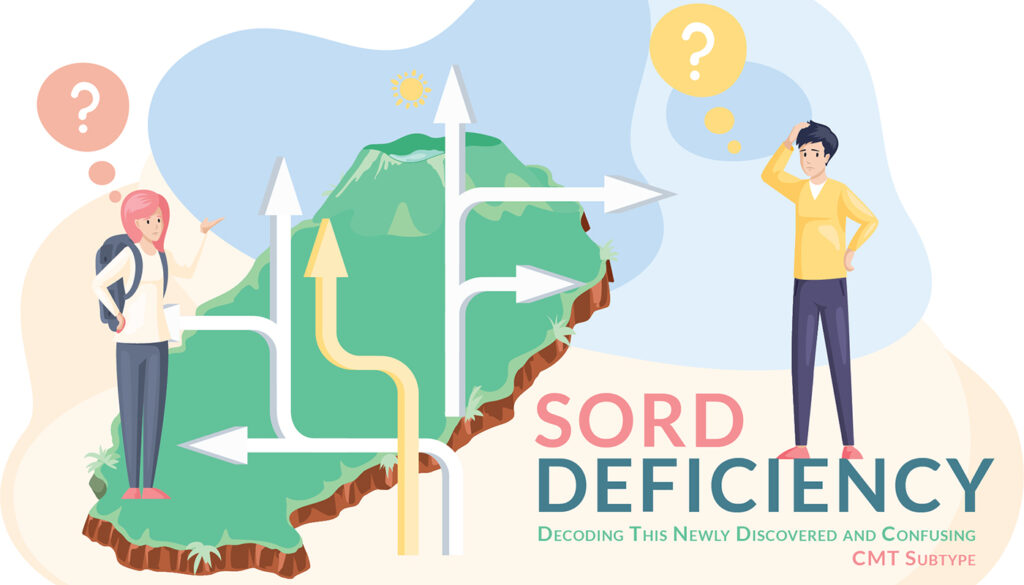
CMT-SORD is a newly discovered CMT subtype driven by toxic sorbitol accumulation. This article explains how “SORD” works, why this subtype is different, and how it led to the fastest-moving therapeutic program in CMT history.