Genetic Testing

Do You Need It?

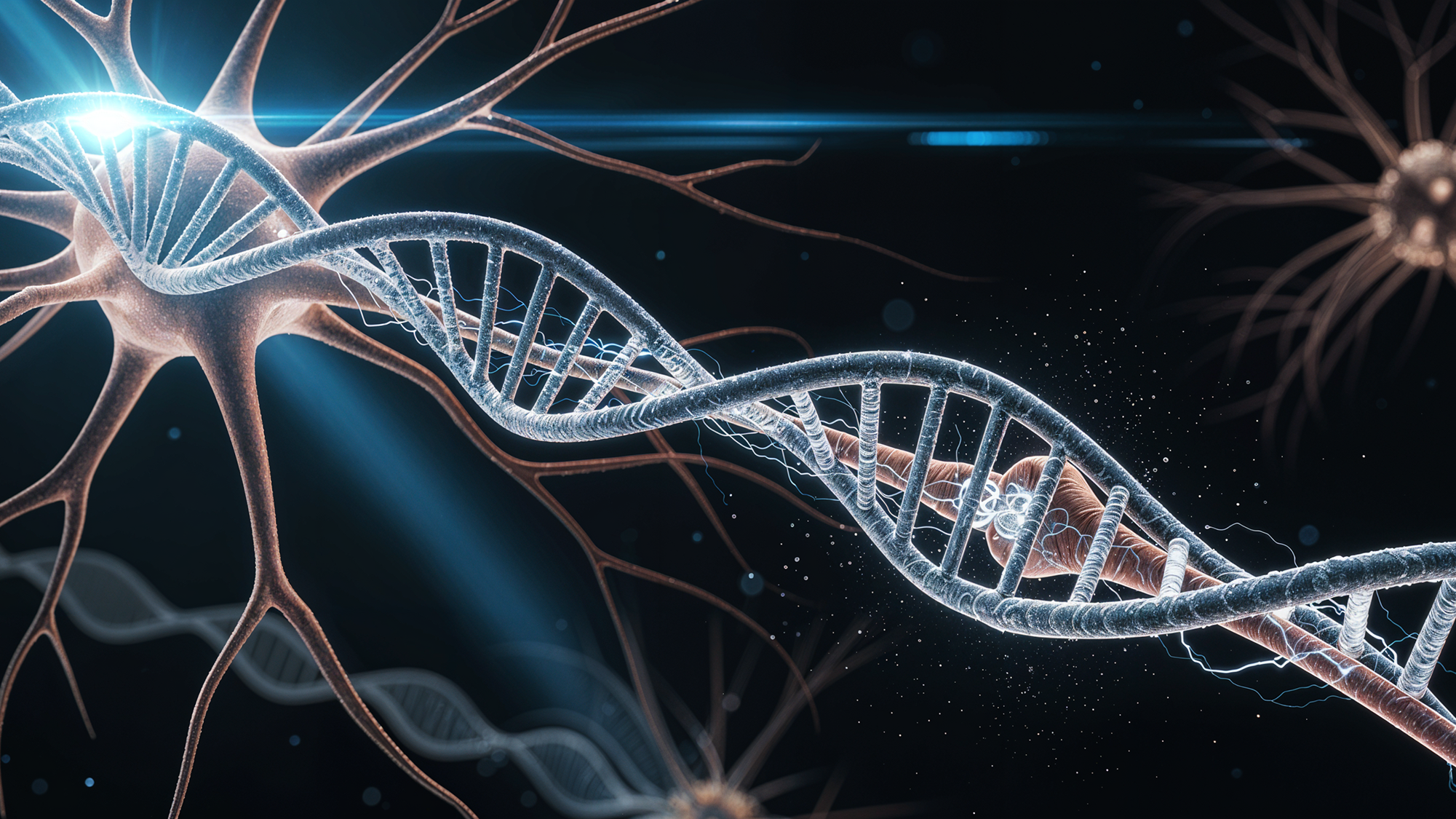
DNA Nerve Image

Do you need a genetic test to know if you have CMT? The short answer is no. The long answer is also no. You do not need genetic testing to know if you have CMT. It is a misconception that genetic testing is required to diagnose CMT or that genetic testing will definitively tell you whether you have CMT.

Yes, CMT genetic testing can confirm a clinical diagnosis. Yes, it is needed to know the specific subtype. But it is not needed to diagnose CMT itself, to know whether you have the disease. In fact, negative genetic test results are more common than positive ones in CMT. A major reason for this is that scientists believe only about half of all CMT genes have been identified. Genetic testing companies cannot test for a gene they do not know about.

Today, an estimated 95 percent of people who have a demyelinating form of CMT (a CMT1 clinical diagnosis) are able to obtain genetic confirmation. In contrast, only about 50 percent of people with an axonal form of CMT (a CMT2 clinical diagnosis) can obtain genetic confirmation of their disease, and some estimate this number may be as low as 30 percent. Adding to this, no commercial diagnostic laboratory includes every known CMT gene on its testing panels. Together, these illustrate the inherent limitations of CMT genetic testing.

When a person meets the clinical picture of CMT and their nerve conduction results are consistent with the disease, and genetic testing does not identify a cause, there is only one conclusion. The underlying gene has not yet been analyzed. The results do not rule out CMT.

Explore More

Updated: January 5, 2026 | By: K. Raymond

The Dorsal Root

More From The Dorsal Root


Close-up of a doctor’s hand holding a prescription pad while a patient’s wrist is wrapped with metal chains.


When Medicine Lost Its Compass

Evidence failed not because it was wrong, but because it was weaponized. I lived the downstream effects of that failure for more than a decade. This is what happens when medicine forgets that data always ends in a human being.


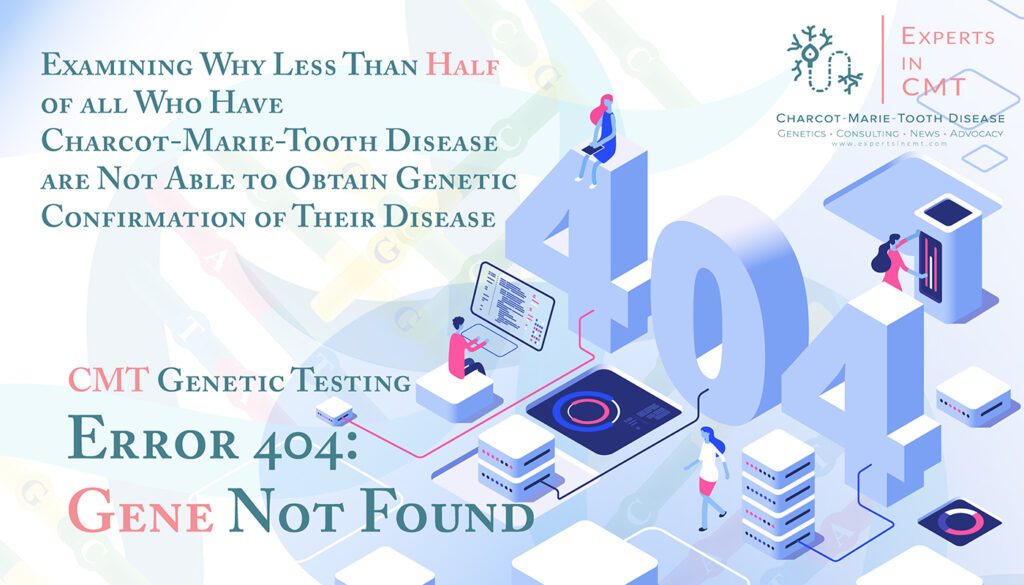
Illustrated graphic showing large ‘404’ numerals with people interacting with data screens and servers, alongside text reading ‘CMT Genetic Testing Error 404: Gene Not Found’ and ‘Examining Why Less Than Half of All Who Have Charcot-Marie-Tooth Disease Are Not Able to Obtain Genetic Confirmation of Their Disease.


Error 404: Gene Not Found

CMT genetic testing often fails to identify the cause of the disease, even when comprehensive panels are used. Here, we discuss why this happens, what genetic tests can and cannot do, and why a negative result still matters.


Illustrated cover graphic showing a split landform with branching directional arrows, two people with question marks above their heads, and the title ‘SORD Deficiency: Decoding This Newly Discovered and Confusing CMT Subtype.


CMT-SORD: What Is This Unique CMT Subtype?

CMT-SORD is a newly discovered CMT subtype driven by toxic sorbitol accumulation. This article explains how "SORD" works, why this subtype is different, and how it led to the fastest-moving therapeutic program in CMT history.