Source
Orthosis - Charcot-Marie-Tooth Disease | Experts in CMT

Orthosis

Formally, a Brace

An orthosis (or-THOH-sis) is an external device, such as a brace or splint, used to support, align, or improve the function of a part of the body that is weak, unstable, or deformed. It is the formal medical term for what is often casually called a brace or an orthotic. In CMT, orthoses are most often used at the foot and ankle, where weakness and instability are common, an AFO being the most familiar example.

The Dorsal Root

More From The Dorsal Root


Close-up of a doctor’s hand holding a prescription pad while a patient’s wrist is wrapped with metal chains.


When Medicine Lost Its Compass

Evidence failed not because it was wrong, but because it was weaponized. I lived the downstream effects of that failure for more than a decade. This is what happens when medicine forgets that data always ends in a human being.


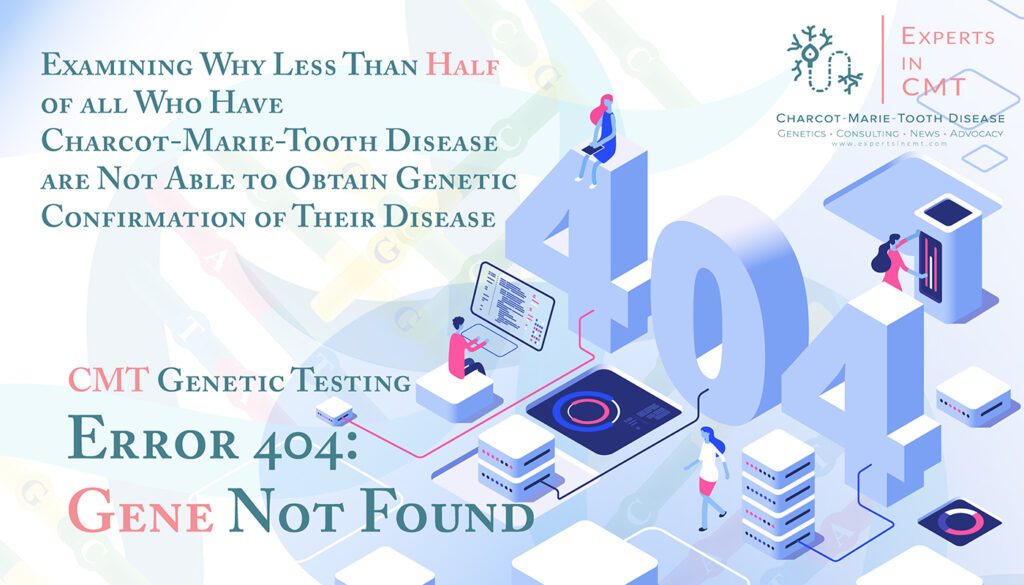
Illustrated graphic showing large ‘404’ numerals with people interacting with data screens and servers, alongside text reading ‘CMT Genetic Testing Error 404: Gene Not Found’ and ‘Examining Why Less Than Half of All Who Have Charcot-Marie-Tooth Disease Are Not Able to Obtain Genetic Confirmation of Their Disease.


Error 404: Gene Not Found

CMT genetic testing often fails to identify the cause of the disease, even when comprehensive panels are used. Here, we discuss why this happens, what genetic tests can and cannot do, and why a negative result still matters.


Illustrated cover graphic showing a split landform with branching directional arrows, two people with question marks above their heads, and the title ‘SORD Deficiency: Decoding This Newly Discovered and Confusing CMT Subtype.


CMT-SORD: What Is This Unique CMT Subtype?

CMT-SORD is a newly discovered CMT subtype driven by toxic sorbitol accumulation. This article explains how "SORD" works, why this subtype is different, and how it led to the fastest-moving therapeutic program in CMT history.