CMT-CHCHD10

CHCHD10 | 2015

What Is CMT-CHCHD10?

CMT-CHCHD10 is a type of CMT caused by autosomal dominant mutations in the CHCHD10 gene. This gene provides instructions for making a small protein located in the mitochondrial intermembrane space, where it helps maintain the structure of mitochondrial cristae and supports normal mitochondrial function in nerve cells. Mutations in the CHCHD10 gene disrupt this function, leading to impaired nerve signal transmission.

CMT-CHCHD10 is autosomal dominant, meaning that just one of the gene’s two copies needs a mutation to cause this subtype.

Clinical Features

The age of symptom onset in CMT-CHCHD10 is variable, ranging from childhood to adulthood. Symptoms typically begin in the lower extremities and progress over time to involve the upper limbs. Nerve conduction studies usually show somewhat slowed conduction velocities and reduced amplitudes, consistent with an axonal form of CMT.

CMT-CHCHD10 symptoms may include:

  • Weakness in the feet and lower legs
  • Muscle atrophy
  • Foot drop
  • Reduced or absent reflexes
  • Reduced sensation
  • A steppage-style walking pattern
  • Foot deformities, including high arches, and hammertoes (clawed toes)
  • Progressive involvement of the hands and forearms
  • Difficulty with fine motor skills and manual dexterity
  • Additional symptoms not listed here

Disease Course

CMT-CHCHD10 shows wide variability in severity and progression. Some individuals are mildly affected, while others develop a more severe disease. Disease progression is generally slow, and life expectancy is not reduced.


Clinical Basics

Subtype
CMT-CHCHD10

Classification
Unclassified Subtypes

Neuropathy Type
Axonal

Inheritance Pattern
autosomal dominant

Genetic Context

HGNC-Approved Gene Symbol
CHCHD10

Gene Full Name
Coiled-Coil-Helix-Coiled-Coil-Helix Domain Containing 10

Chromosome
22q11.23

Zygosity of Responsible Variant
Heterozygous

Mitochondrial Involvement
Yes

Variant Mechanism
Toxic Gain of Function (GoF)

ClinVar Pathogenic Variants

View CMT-CHCHD10 ClinVar Variants

CHCHD10 OMIM Entry

CHCHD10 OMIM

More Info

CMT-CHCHD10 Research Opportunity

CMT Natural History Study

Original Discovery Publication

Publication Title

CHCHD10 Variant p.(Gly66Val) Causes Axonal Charcot-Marie-Tooth Disease

Authors

Auranen, M., Ylikallio, E., Shcherbii, M., Paetau, A., Kiuru-Enari, S., Toppila, J. P., & Tyynismaa, H.

Publication Date
April 14, 2015

Updated: July 18, 2026 | By: K. Raymond

The Dorsal Root

More From The Dorsal Root


Close-up of a doctor’s hand holding a prescription pad while a patient’s wrist is wrapped with metal chains.


When Medicine Lost Its Compass

Evidence failed not because it was wrong, but because it was weaponized. I lived the downstream effects of that failure for more than a decade. This is what happens when medicine forgets that data always ends in a human being.


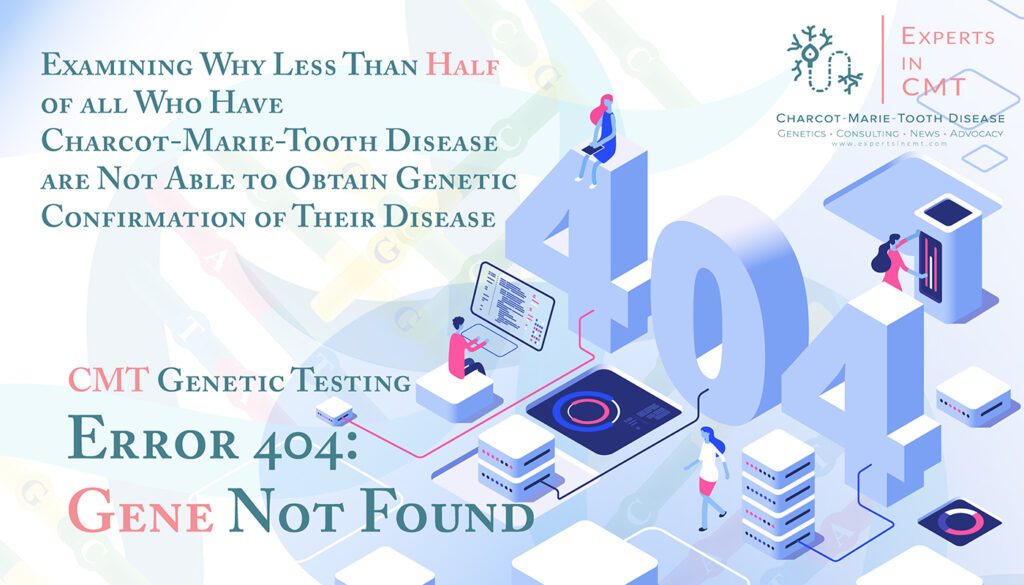
Illustrated graphic showing large ‘404’ numerals with people interacting with data screens and servers, alongside text reading ‘CMT Genetic Testing Error 404: Gene Not Found’ and ‘Examining Why Less Than Half of All Who Have Charcot-Marie-Tooth Disease Are Not Able to Obtain Genetic Confirmation of Their Disease.


Error 404: Gene Not Found

CMT genetic testing often fails to identify the cause of the disease, even when comprehensive panels are used. Here, we discuss why this happens, what genetic tests can and cannot do, and why a negative result still matters.


Illustrated cover graphic showing a split landform with branching directional arrows, two people with question marks above their heads, and the title ‘SORD Deficiency: Decoding This Newly Discovered and Confusing CMT Subtype.


CMT-SORD: What Is This Unique CMT Subtype?

CMT-SORD is a newly discovered CMT subtype driven by toxic sorbitol accumulation. This article explains how "SORD" works, why this subtype is different, and how it led to the fastest-moving therapeutic program in CMT history.